The Best Gaming Choice: Reviews, Specs, and Buyer’s Guide
Finding Your Best Gaming Choice: A Comprehensive Guide
In the vast and ever-evolving world of interactive entertainment, deciding on your best gaming choice can feel overwhelming. From high-powered PCs to sleek consoles and on-the-go mobile experiences, the options are plentiful. This guide aims to help you navigate the landscape and pinpoint the platform that best suits your needs, preferences, and lifestyle.
Key Factors to Consider
Before diving into specific platforms, it’s crucial to identify what truly matters to you as a gamer. Thinking about these factors will significantly narrow down your options:
- Budget: How much are you willing to spend upfront on hardware and peripherals? Don’t forget the cost of games themselves, and potential subscription services.
- Game Genres: Do you prefer fast-paced shooters, epic role-playing games, casual puzzles, competitive esports, or story-driven adventures? Some platforms excel in certain genres.
- Portability: Do you want to game on the go, or are you happy to be tethered to your living room or desk?
- Graphics & Performance: Is cutting-edge visual fidelity and high frame rates a top priority, or are you content with good enough?
- Ease of Use: Do you prefer a plug-and-play experience, or are you comfortable with tweaking settings and managing software?
- Social Experience: Do you primarily game solo, or do you enjoy multiplayer with friends online or couch co-op?
The Contenders: Platforms Explored
Let’s break down the major gaming platforms and what they offer.
PC Gaming: Power and Flexibility
For many, PC gaming represents the pinnacle of performance and versatility.
- Pros:
- Unrivaled Performance: PCs offer the highest graphical fidelity and frame rates, especially with high-end components.
- Vast Game Library: Access to thousands of games across platforms like Steam, Epic Games Store, GOG, and more, often at competitive prices.
- Modding Community: Enhance games with user-created content, extending their lifespan and adding new dimensions.
- Backward Compatibility: Older games are often playable on modern hardware.
- Multi-purpose: A gaming PC doubles as a powerful workstation for productivity, content creation, and more.
- Cons:
- High Upfront Cost: Building or buying a powerful gaming PC can be expensive, especially with current hardware prices.
- Complexity: Requires some technical know-how for setup, maintenance, and troubleshooting.
- Regular Upgrades: To stay at the forefront, you might need to upgrade components every few years.
Console Gaming: Simplicity and Exclusives
Console gaming, primarily PlayStation, Xbox, and Nintendo Switch, offers a streamlined and accessible experience.
- Pros:
- Ease of Use: Generally plug-and-play, with intuitive interfaces and minimal setup.
- Exclusive Titles: Each console boasts a library of games you can’t play anywhere else, often major system sellers.
- Optimized Performance: Games are developed specifically for the console hardware, ensuring a consistent experience.
- Couch Co-op: Excellent for local multiplayer with friends and family.
- Clear Lifecycle: Consoles last for many years without needing upgrades.
- Cons:
- Less Flexible: Limited hardware customization and often a closed ecosystem.
- Subscription Fees: Online multiplayer usually requires a paid subscription (e.g., PlayStation Plus, Xbox Game Pass Core/Ultimate, Nintendo Switch Online).
- Fixed Hardware: You’re locked into the console’s specifications for its lifespan.
Mobile Gaming: Gaming on the Go
Smartphones and tablets have become incredibly powerful gaming devices, offering convenience and accessibility.
- Pros:
- Ultimate Portability: Game anywhere, anytime.
- Low Barrier to Entry: Most people already own a smartphone.
- Free-to-Play Options: A huge library of free games, often supported by in-app purchases.
- Casual Gaming: Perfect for quick bursts of entertainment.
- Cons:
- Simplified Controls: Touchscreens aren’t ideal for all game genres, though external controllers help.
- Graphical Limitations: Generally less graphically intensive than PC or console games.
- Microtransactions: Many free-to-play games heavily rely on in-app purchases, which can add up.
Cloud Gaming: Gaming Without the Hardware
Services like Xbox Cloud Gaming, GeForce NOW, and Amazon Luna stream games directly to your device, eliminating the need for expensive hardware.
- Pros:
- No High-End Hardware Needed: Play demanding games on almost any device with a screen and internet connection.
- Instant Access: Jump into games without downloads or installations.
- Subscription Model: Access a library of games for a monthly fee.
- Cons:
- Internet Dependent: Requires a fast, stable internet connection; latency can be an issue.
- Input Lag: Even with good internet, a slight delay between your actions and what you see can occur.
- Game Library Limitations: You’re restricted to the games available on the service.
Making Your Best Gaming Choice
Now that you understand the strengths and weaknesses of each platform, revisit your initial considerations.
- For ultimate performance, customization, and a vast game library: A high-end Gaming PC is likely your best gaming choice.
- For exclusive titles, ease of use, and a dedicated living room experience: A Console (PlayStation, Xbox) might be your ideal fit.
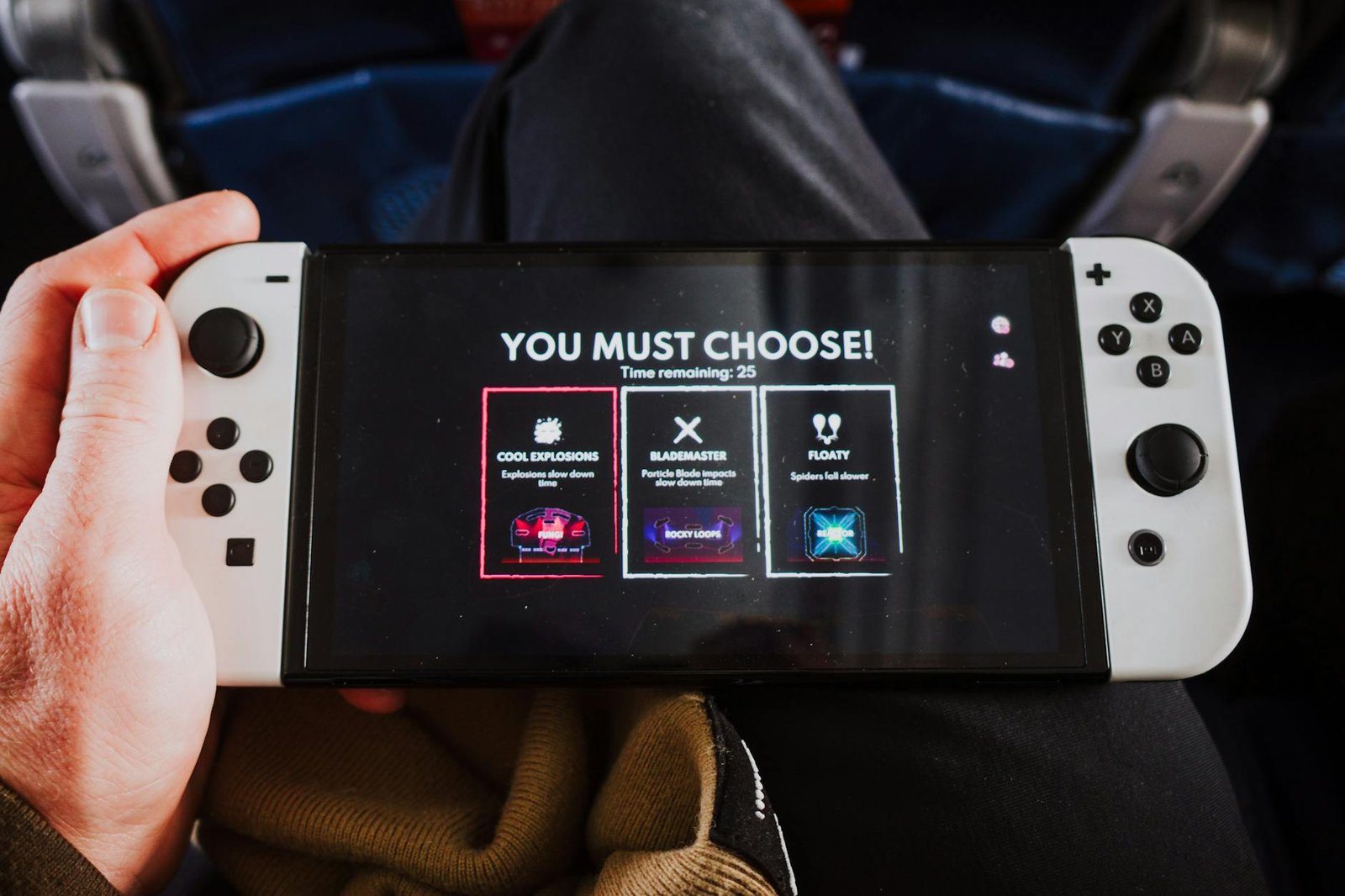
- For portable fun, unique exclusives, and family-friendly gaming: The Nintendo Switch stands out.
- For quick, casual gaming on the go, often at no upfront cost: Mobile Gaming is unbeatable.
- For playing demanding games without investing in expensive hardware, provided you have excellent internet: Cloud Gaming offers an intriguing alternative.
Conclusion
There’s no single “best” platform that fits everyone. Your best gaming choice is a personal decision, shaped by your budget, preferred game genres, desire for portability, and technical comfort level. By carefully weighing these factors against what each platform offers, you can confidently select the gaming setup that will bring you the most enjoyment for years to come. Happy gaming!